

A contact can be saved in seconds, yet a well-designed business card still has a useful role in a face-to-face conversation. It gives people an easy reference after an event, meeting, or unexpected introduction. For small businesses, the format can also communicate attention to detail without requiring an elaborate marketing campaign. The strongest card is not the one with the most effects; it is the one that makes the next conversation easy.
Design Around the Next Action
A business card should answer three questions quickly: Who are you, what do you do, and how should someone reach you? A clear name, business identity, and practical contact method often accomplish more than a long list of services. If a website or booking page is the preferred next step, make that destination easy to find.
Avoid trying to fit a complete sales brochure into a pocket-sized surface. Too many lines of copy create competition for attention. Reserve enough whitespace for the most important details to stand out.
Legibility Comes Before Style
Small type may look elegant on a large design preview but become difficult to read when printed. Review the card at actual size, not only on a computer screen. Check contrast between lettering and background, spacing around contact details, and the clarity of any logo or artwork.
A card can be distinctive without sacrificing usability. A restrained color palette, a considered typeface, and consistent brand details often produce a stronger impression than several competing decorative effects. If the business uses a recognizable look across its website and signage, the card should feel related to those materials.
Choose Paper for the Way Cards Are Used
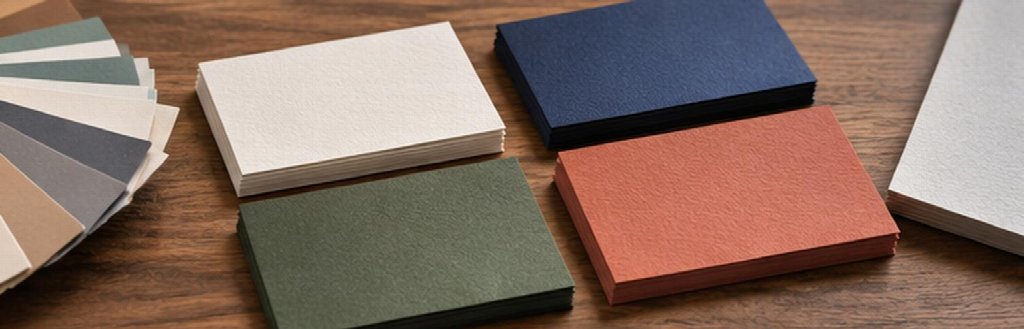
Paper weight, texture, and coating affect how a card feels and how it performs. A smooth finish may suit a polished professional brand, while an uncoated stock may feel more understated and allow notes to be written on the back. The right choice depends on budget, design, and how recipients will handle the card.
Request physical samples when possible. Screens cannot accurately convey every paper texture or finishing effect. Discuss coating, durability, and any special techniques with the printer before finalizing the design.
Use Both Sides Carefully
The reverse side can hold a concise service summary, appointment information, a short brand statement, or a useful QR code. It can also remain mostly blank so the recipient has space to write a note about the meeting. The right choice depends on whether the card needs to share extra information or simply help someone remember the conversation.
A QR code should lead to a working, mobile-friendly destination. Test it at final print size and make sure a printed URL or other contact method is available as an alternative. Avoid relying on a tiny, low-contrast code as the only way to reach the business.
Prepare Artwork Properly
Before sending a design to print, confirm dimensions, bleed, safe areas, and the printer’s preferred file type. Images that look sharp online may not have sufficient resolution for quality printing. Important text should stay away from trim edges, and colors may need evaluation in a print-appropriate workflow.
Proofread contact details with extra care. A missing digit, outdated phone number, or broken website link can make an otherwise attractive card ineffective. Request a proof when the printer offers one and review every side at actual size.
Think About When Cards Are Shared
Business cards are useful at local networking events, trade shows, professional appointments, conferences, and meetings where a quick handoff is easier than entering details into a phone. They can also accompany samples, welcome packets, and other printed materials. Their value comes from the context of the interaction.
Do not distribute cards as a substitute for a conversation. Introduce yourself, understand why the other person might want to stay in touch, and offer a card when it is welcome. A physical reminder works best when it is connected to a genuine exchange.
Plan a Practical Print Quantity
Ordering too few cards can create an unnecessary rush before an event, while a very large order may waste material if contact information changes. Estimate realistic use and consider whether staff roles, branding, or service details are likely to change soon. Ask a printer how quantity affects stock and finishing options.
For businesses exploring business card printing, a practical overview of design and ordering choices can help clarify paper, layout, proofing, and turnaround questions. Confirm specific production schedules and available materials with the chosen print provider rather than assuming every job follows the same process.
A Small Format With a Clear Purpose
A strong business card is a simple tool for continuing a relationship. Keep it readable, consistent, well printed, and relevant to the interaction in which it is shared. When design decisions serve the person receiving the card, the result feels professional without trying too hard.
Frequently Asked Questions
What Information Belongs on a Business Card?
Include the person’s name, business identity, and a reliable contact method. Add a website or clear next step if relevant to the audience. Avoid crowding the layout with every service and social profile. Proofread information carefully before approving artwork, since a wrong number can undermine an otherwise professional card.
Is Glossy or Uncoated Paper Better?
Neither is always better. Coated stocks may suit particular images and finishes, while uncoated paper can feel understated and may be easier to write on. Paper weight, color reproduction, intended use, and budget all affect the choice. Request samples and discuss your design with the printer before selecting a stock.
Should I Put a QR Code on a Business Card?
A QR code can link to a portfolio or contact page but should not be the only contact method. Test the code at final print size and confirm the destination works on phones. Keep enough contrast and clear space around it. A readable URL or email address remains a useful backup. Request a physical proof and scan the printed code under ordinary lighting before approving the full production run.

Comments are closed.