
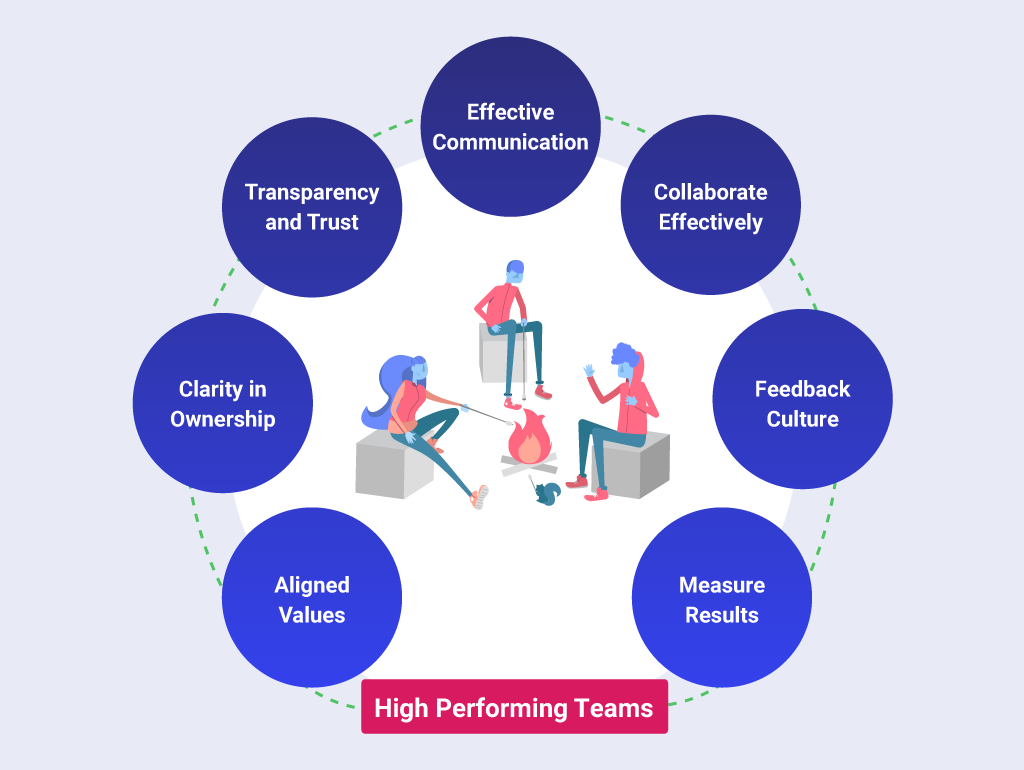

High-performance teams are not built by chance. They are the result of thoughtful leadership, clear direction, and management styles that adapt to modern work realities. As organizations face rapid change, diverse workforces, and evolving employee expectations, modern management styles have emerged to drive engagement, accountability, and sustained performance.
The Shift Away from Traditional Command-and-Control
Conventional management relied heavily on hierarchy, rigid processes, and top-down decision-making. While effective in stable environments, this approach often limits speed, creativity, and employee motivation.
Modern teams require managers who act as facilitators rather than controllers, focusing on enabling success instead of enforcing authority.
Leadership as Coaching, Not Directing
One of the most effective modern management styles is a coaching-oriented approach. Managers guide teams by asking the right questions, offering feedback, and supporting individual growth.
Key traits of coaching-focused managers include:
- Active listening and empathy
- Constructive, ongoing feedback
- Focus on strengths and development
- Encouragement of independent problem-solving
This approach builds confidence and long-term capability within teams.
Empowerment and Ownership at Every Level
High-performance teams thrive when individuals feel trusted and accountable. Empowerment shifts responsibility closer to execution, allowing faster decisions and stronger commitment.
How Empowerment Improves Team Performance
- Employees take ownership of outcomes
- Decision-making becomes faster and more informed
- Innovation increases through autonomy
- Accountability feels shared rather than imposed
Managers support empowerment by setting clear expectations and boundaries, not micromanaging tasks.
Collaborative and Inclusive Management Styles
Modern teams are often cross-functional and diverse. Collaboration-focused management ensures that different perspectives are valued and integrated into decision-making.
Collaborative management emphasizes:
- Open communication and transparency
- Inclusive participation in discussions
- Shared goals across roles and departments
- Respect for diverse working styles
This environment fosters trust and strengthens collective performance.
Data-Informed, Not Data-Driven Leadership
While data plays an important role in decision-making, high-performance teams benefit most when data supports—not replaces—human judgment.
Using Data Effectively in Team Management
- Track performance trends rather than isolated metrics
- Use data to identify obstacles and opportunities
- Balance quantitative insights with qualitative feedback
- Avoid micromanagement through excessive reporting
Smart use of data enhances clarity without undermining trust.
Flexibility and Adaptive Management
Modern work environments demand flexibility. Rigid management styles struggle in settings with remote work, rapid change, and shifting priorities.
Adaptive managers demonstrate:
- Willingness to adjust plans as conditions change
- Openness to new tools and workflows
- Support for flexible working arrangements
- Focus on outcomes rather than hours worked
Flexibility allows teams to maintain performance under evolving circumstances.
Building Psychological Safety and Trust
High-performance teams require an environment where individuals feel safe to speak up, take risks, and admit mistakes.
Why Psychological Safety Matters
- Encourages honest communication
- Reduces fear of failure
- Strengthens learning and innovation
- Improves team resilience under pressure
Managers play a central role by modeling openness and responding constructively to challenges.
Continuous Feedback and Recognition
Annual reviews alone are no longer sufficient. Modern management relies on frequent feedback and timely recognition to keep teams aligned and motivated.
Effective feedback practices include:
- Regular one-on-one check-ins
- Clear, actionable feedback
- Recognition tied to impact, not visibility
- Balanced focus on results and effort
Consistent feedback helps teams stay focused and engaged.
Aligning Purpose with Performance
High-performing teams are motivated not only by goals, but by purpose. Modern managers connect daily work to broader organizational impact.
Purpose-driven management leads to:
- Higher engagement and commitment
- Stronger alignment across teams
- Increased resilience during challenges
- Clear understanding of why work matters
Purpose transforms performance from obligation into motivation.
Frequently Asked Questions
What defines a modern management style?
Modern management focuses on empowerment, collaboration, adaptability, and trust rather than rigid control.
Are modern management styles suitable for all industries?
Yes. While application may vary, the core principles apply across industries and team structures.
How can managers transition from traditional to modern styles?
By gradually shifting focus toward coaching, open communication, and shared accountability.
Does empowerment reduce managerial control?
No. It replaces micromanagement with clear expectations, trust, and outcome-based accountability.
How important is emotional intelligence in modern management?
It is critical. Emotional intelligence supports communication, trust-building, and conflict resolution.
Can high-performance teams exist without strong management?
Strong management provides direction and support, making sustained high performance more likely.
How do modern managers measure team success?
By combining performance outcomes, engagement levels, collaboration quality, and continuous improvement indicators.

Comments are closed.