
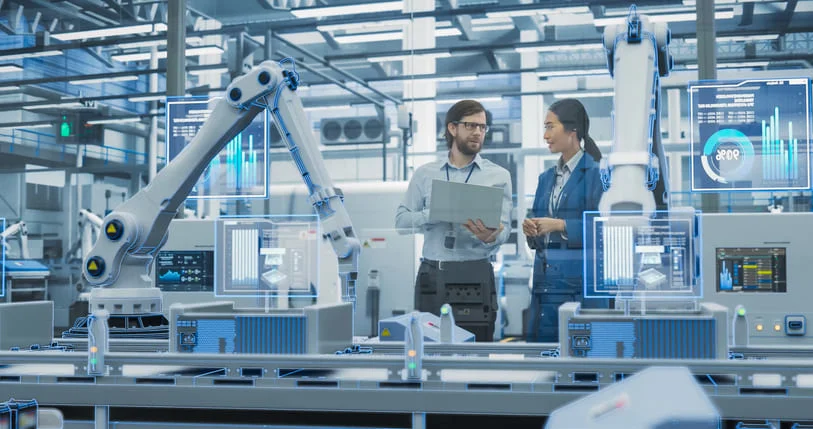

Automation is no longer a future concept—it is actively transforming how traditional industries operate, compete, and grow. From manufacturing floors to healthcare systems, automated technologies are redefining productivity, efficiency, and workforce roles. Rather than replacing industries, automation is reshaping them from the inside out, creating new models of value creation.
The Shift from Manual Processes to Intelligent Systems
Traditional industries were built on labor-intensive, repetitive processes. Automation introduces systems that can execute tasks faster, more accurately, and at scale.
Key drivers behind this shift include:
- Rising operational costs
- Demand for speed and consistency
- Advances in robotics and software
- Availability of real-time data
Automation allows industries to modernize without completely reinventing their core purpose.
Manufacturing: From Assembly Lines to Smart Factories
Manufacturing has become the most visible example of automation’s impact. What once relied heavily on manual labor now integrates robotics, sensors, and intelligent control systems.
How Automation Is Changing Manufacturing
- Robotics handling repetitive and precision tasks
- Predictive maintenance reducing downtime
- Automated quality inspection systems
- Real-time production monitoring
These changes improve output while reducing errors and waste.
Automation in Logistics and Supply Chains
Logistics operations have traditionally depended on manual coordination and physical handling. Automation is improving speed, accuracy, and reliability across the supply chain.
Notable automation applications include:
- Automated warehouses and sorting systems
- Route optimization through intelligent software
- Inventory tracking using sensors and data platforms
- Faster order fulfillment with minimal human intervention
Automation enhances resilience while supporting growing global demand.
Healthcare: Improving Outcomes Through Automation
Healthcare is adopting automation not to replace professionals, but to support them. Administrative tasks and routine processes are increasingly automated to free up time for patient care.
Areas Where Automation Adds Value in Healthcare
- Scheduling and patient data management
- Diagnostic support through intelligent systems
- Automated laboratory testing
- Supply management for medical resources
The result is improved efficiency and more focus on patient outcomes.
Financial Services and Process Automation
Financial services rely heavily on accuracy, compliance, and speed. Automation helps institutions manage large volumes of transactions and data securely.
Automation benefits in finance include:
- Faster transaction processing
- Automated compliance and reporting
- Reduced operational risk
- Improved customer service response times
These efficiencies enable institutions to scale without proportional cost increases.
Impact on the Workforce and Skill Requirements
Automation does not eliminate the need for human workers—it changes what is required of them. Routine tasks are increasingly automated, while human roles shift toward problem-solving and oversight.
Workforce Changes Driven by Automation
- Increased demand for digital and analytical skills
- Growth in roles focused on system management
- Continuous learning becoming essential
- Collaboration between humans and machines
Industries that invest in reskilling gain long-term advantages.
Challenges of Automation Adoption
Despite its benefits, automation presents challenges that traditional industries must address carefully.
Common challenges include:
- High initial investment costs
- Integration with legacy systems
- Workforce resistance to change
- Cybersecurity and system reliability risks
Successful adoption requires planning, communication, and phased implementation.
The Long-Term Economic Impact of Automation
Automation improves productivity, which supports economic growth and competitiveness. Industries that adopt automation strategically are better positioned to adapt to market changes and global competition.
Long-term outcomes of automation include:
- Higher efficiency across value chains
- Greater consistency and quality
- Enhanced innovation capacity
- Sustainable scaling of operations
Automation is becoming a defining feature of modern industrial success.
Frequently Asked Questions
Does automation always reduce jobs in traditional industries?
No. Automation often shifts jobs rather than eliminating them, creating demand for new skills and roles.
Which industries benefit the most from automation?
Manufacturing, logistics, healthcare, and finance see significant gains due to repetitive and data-heavy processes.
Is automation affordable for smaller traditional businesses?
With scalable technologies and modular solutions, automation is increasingly accessible to smaller organizations.
How does automation improve quality and consistency?
Automated systems reduce human error and perform tasks with precise, repeatable accuracy.
What skills are most important in an automated industry?
Digital literacy, analytical thinking, system oversight, and adaptability are increasingly valuable.
Can automation work alongside legacy systems?
Yes, but integration must be planned carefully to avoid disruptions and inefficiencies.
Will automation continue to expand across industries?
Yes. As technology advances and costs decrease, automation adoption is expected to accelerate across sectors.

Comments are closed.