
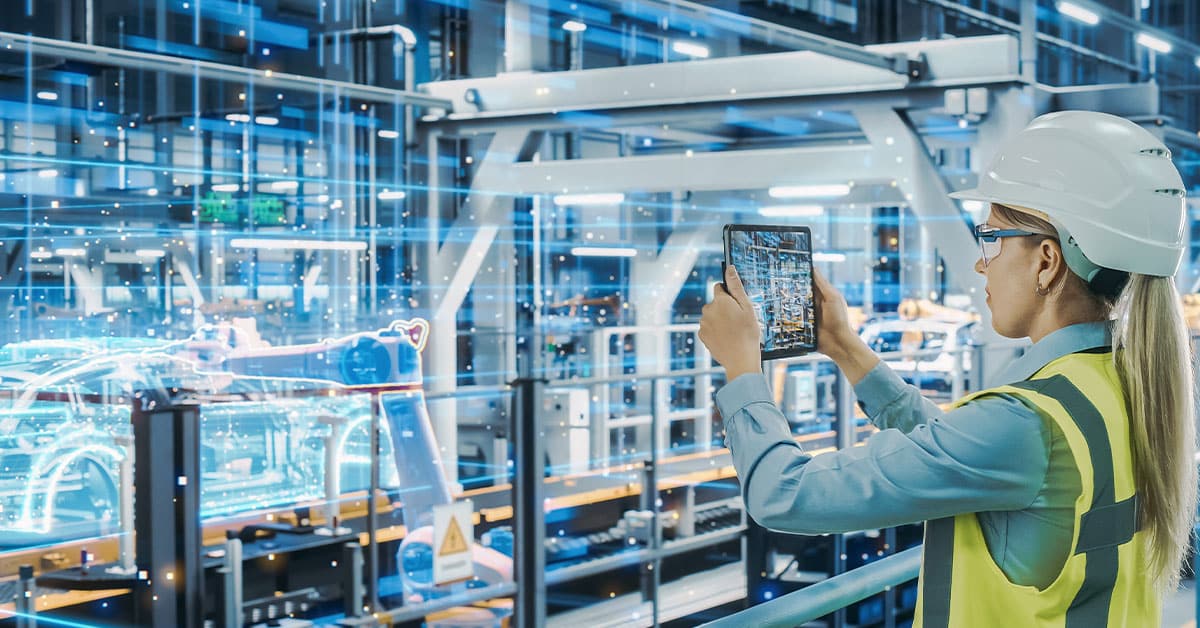

The global economy is being reshaped by rapid technological advances, shifting consumer expectations, and evolving geopolitical realities. Industries across regions are adapting to new pressures and opportunities, redefining how value is created and sustained. Understanding these key industry trends provides insight into where growth, disruption, and innovation are heading worldwide.
Digital Transformation Across All Sectors
Digital transformation is no longer limited to technology companies. Traditional industries are embedding digital tools into their core operations to remain competitive.
Key drivers of digital transformation include:
- Automation of repetitive processes
- Cloud-based infrastructure for scalability
- Data analytics for faster decision-making
- Digital platforms enabling global reach
This shift is improving efficiency while lowering barriers for global participation.
Artificial Intelligence and Advanced Automation
Artificial intelligence has moved beyond experimentation into large-scale adoption. Businesses now use AI to enhance productivity, personalize experiences, and optimize operations.
How AI Is Reshaping Industries
- Predictive analytics in finance and supply chains
- Intelligent automation in manufacturing
- Personalized recommendations in retail and media
- AI-assisted diagnostics in healthcare
AI is becoming a foundational capability rather than a niche advantage.
The Transition to a Sustainable Economy
Sustainability has emerged as a central economic force. Governments, investors, and consumers are increasingly prioritizing environmentally responsible practices.
Major sustainability-driven trends include:
- Growth in renewable energy investments
- Circular economy models reducing waste
- ESG-focused corporate strategies
- Demand for transparent supply chains
Sustainable practices are now linked directly to long-term economic resilience.
The Rise of the Digital Workforce
Work is no longer confined to physical offices or traditional employment models. Technology has enabled more flexible, global, and skills-based labor markets.
Characteristics of the Modern Workforce
- Remote and hybrid work models
- Freelance and project-based employment
- Continuous upskilling and reskilling
- Global talent sourcing
These changes are redefining productivity and talent competition across borders.
Global Supply Chain Reconfiguration
Recent disruptions have exposed vulnerabilities in global supply chains. As a result, industries are rethinking how goods are produced and distributed.
Key supply chain shifts include:
- Regional diversification of manufacturing
- Increased use of automation and robotics
- Greater inventory visibility through data platforms
- Emphasis on resilience over pure cost efficiency
Supply chains are evolving to balance efficiency with reliability.
Financial Innovation and Digital Finance
Financial systems are undergoing rapid transformation as technology reshapes how money moves and how value is exchanged.
Trends Driving Financial Innovation
- Digital payments and cashless transactions
- Fintech platforms expanding financial access
- Data-driven risk and credit assessment
- Embedded finance within non-financial platforms
These innovations are accelerating global commerce and inclusion.
Changing Consumer Behavior and Expectations
Consumers are more informed, connected, and selective than ever before. Their expectations influence how industries design products, services, and experiences.
Notable shifts in consumer behavior include:
- Preference for personalized experiences
- Increased demand for transparency and trust
- Growth of digital-first purchasing journeys
- Willingness to switch brands easily
Customer-centric strategies are becoming essential for economic growth.
Regional Economic Realignment
Economic influence is becoming more distributed across regions. Emerging markets are playing a larger role in global growth, innovation, and consumption.
Factors Driving Regional Shifts
- Expanding middle classes in developing economies
- Investment in digital infrastructure
- Regional trade partnerships
- Localized innovation ecosystems
This realignment is reshaping global competition and collaboration.
Frequently Asked Questions
Why are industry trends important for understanding the global economy?
Industry trends reveal where investment, innovation, and growth are concentrated, helping businesses and policymakers anticipate change.
Which industries are experiencing the fastest transformation?
Technology, finance, energy, healthcare, and manufacturing are among the most rapidly evolving sectors.
How does digital transformation impact economic growth?
It boosts productivity, reduces costs, and enables new business models that expand economic activity.
Is sustainability a long-term economic trend or a short-term focus?
Sustainability is a long-term structural shift driven by regulation, investment priorities, and consumer demand.
How are emerging markets influencing the global economy?
They contribute increasing consumer demand, innovation, and workforce growth, reshaping global trade patterns.
What role does technology play in supply chain resilience?
Technology improves visibility, forecasting, and flexibility, helping supply chains respond to disruptions.
How can businesses prepare for ongoing global economic change?
By investing in digital capabilities, workforce skills, and adaptable strategies that respond to evolving trends.

Comments are closed.